Your Brand Content Is Scattered — Here's How to Make It Pull Together
Most sellers build brand content one panicked piece at a time: an A+ module here because a competitor had one, a storefront slapped together to qualify for a feature, listings written months apart in whatever voice felt right that day. The result is a brand that looks different on every page a shopper touches. That inconsistency costs you — it makes you look smaller and less trustworthy than you are, and it wastes the cross-sell opportunity that a coherent brand presence creates. The shift that matters is from making pages to building a system: one story, one voice, and one set of assets that every surface draws from.
The surfaces that should agree with each other
Before you can make them consistent, it helps to see the pieces as one connected presence rather than separate tasks.
- Individual listings — titles, bullets, and images that share a voice and a visual style, so two of your products side by side clearly belong to the same brand.
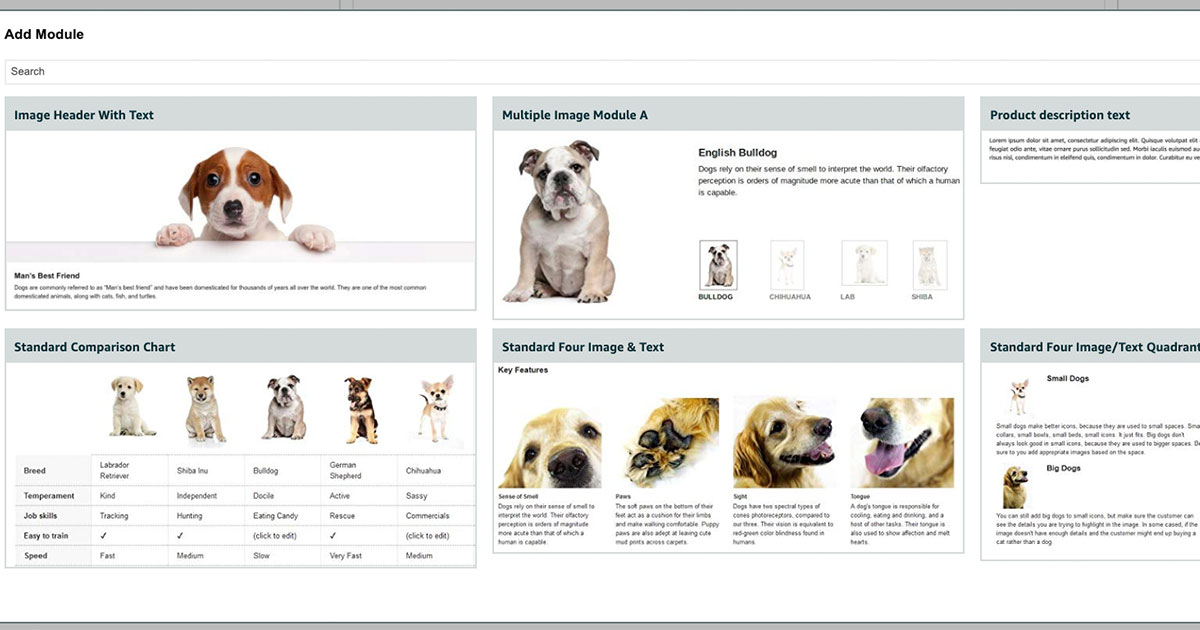
- A+ content — the brand-story and comparison modules that close objections and explain why your line is different, reused intelligently across related products.
- Your brand store — the multi-page storefront that acts as your owned home on the marketplace, where shoppers can browse your full range.
- Cross-product connections — the links and modules that move a satisfied buyer of one product toward the rest of your catalog.
- Off-platform touchpoints — the social, email, and ad creative that should feel like the same brand a shopper meets on the marketplace.
Build the assets once, reuse them everywhere
A brand-content system starts with a small, reusable kit: your core promise in a sentence or two, the two or three differentiators you repeat everywhere, a consistent visual style for images and infographics, and a tone of voice you can hand to anyone writing copy. Once that kit exists, every new listing and A+ module becomes an assembly job instead of a blank page — and crucially, it all coheres. This is also far more efficient. Sellers who write each listing from scratch burn time and produce drift; sellers who work from a kit ship faster and look bigger. Consistency isn't just aesthetic — it's an operating advantage.
Use the store to turn one sale into a customer
Your brand store is the one place on the marketplace where you control the layout and can show your full range, so use it as more than a vanity page. Organize it so a shopper who arrived for one product can discover the rest of the line, group related items the way a customer actually shops, and keep the navigation simple. A well-built store, linked from your listings and your off-platform traffic, quietly raises the value of every customer you acquire by turning a single purchase into a path toward more. That cross-sell is most of the payoff of treating brand content as a system rather than a checklist.
Judge it by what it earns, not how it looks
Brand content is easy to fall in love with and hard to justify if you only look at the design. The discipline is to tie it back to outcomes: does the A+ module lift conversion on the products that have it, does the store contribute meaningful traffic and cross-sell, do the listings with the full treatment outperform the ones without. And because better brand content can lift both conversion and average order value, watch whether the lift actually flows through to profit after fees and returns. A beautiful brand presence that doesn't move orders is a cost center; one that lifts conversion and cross-sell profitably is one of the best investments you can make.
See which products and content are actually compounding your profit.
Explore the profit toolsFrequently asked questions
Do I need a brand store to do this?
A store makes the system stronger because it gives you a controlled hub to organize your full range and drive cross-sell, but the core idea — one voice, one visual style, reusable assets across your listings and A+ content — applies even before you build one. If you own your brand and qualify, the store is worth setting up; if not, you can still make your listings and content consistent today.
How do I keep brand content consistent as my catalog grows?
Build a reusable kit — your core promise, your repeated differentiators, a visual style, and a tone-of-voice guide — and write every new listing and module from it instead of starting fresh. That turns each addition into an assembly task that stays on-brand, saves time as you scale, and prevents the slow drift that makes a growing catalog look like several different sellers.