Running and Athletic Gear on Amazon: Researching and Sourcing a Category Built on Trust
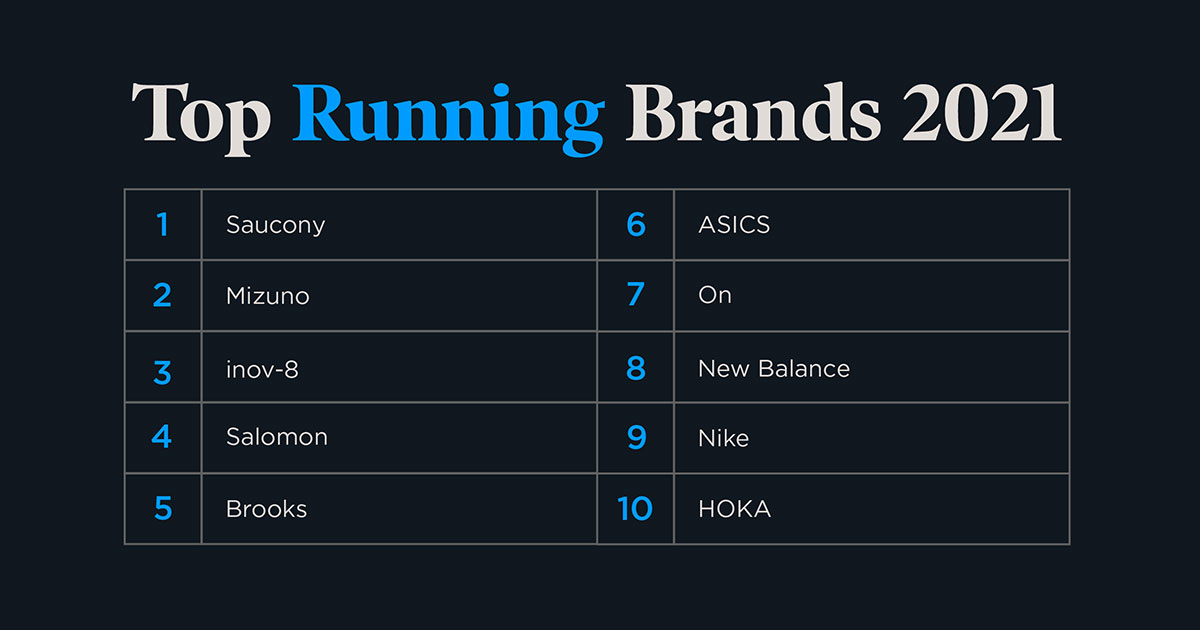
Running and athletic gear is a category with some of the most loyal, highest-lifetime-value buyers in ecommerce — people who replace shoes on a schedule, buy accessories constantly, and stay devoted to what works for their body. That's the opportunity. The trap is that the same loyalty makes the marquee apparel and footwear brutally brand-locked, sizing drives heavy returns in anything worn, and performance buyers scrutinize and review hard. A third-party seller who tries to compete with global athletic brands on shoes will lose; a seller who finds the open, accessory-and-niche lanes and sources to a real performance standard can build something durable. The whole game is lane selection plus quality.
Avoid the brand-locked footwell, find the open lanes
Running shoes and name-brand apparel are the worst possible entry point for most sellers: dominated by global brands buyers are fiercely loyal to, frequently gated, fiercely competitive, and plagued by sizing returns. The accessible profit is in the gear and accessories around the runner, where brand loyalty is weaker and demand is steady:
- Accessories — belts, armbands, hydration packs, reflective gear, socks, blister and recovery products; steady repeat demand, weaker brand lock.
- Recovery and support — foam rollers, massage tools, compression sleeves, braces; high demand from a committed audience.
- Nutrition-adjacent gear — bottles, gels-carrying belts, hydration systems (mind any consumable compliance separately).
- Niche apparel — own-brand or unbranded performance basics in underserved segments, where you control the brand and the margin.
- Tech accessories for athletes — phone mounts, watch bands, headphone accessories that ride the wearable wave.
The pattern is the same as in tools and electronics: don't fight the brands on their home turf, serve the buyer's wider need with quality products in lanes the giants don't dominate.
Sizing and fit are the return engine — plan for them
Anything worn on the body returns at elevated rates, and athletic apparel is especially prone to it because fit and performance both have to be right. A compression sleeve that runs small, a belt that doesn't fit, an armband sized for the wrong phone — each comes back, and apparel returns are often costly to resell. This reshapes your sourcing and listing. Favor products with forgiving fit or universal sizing where you can (one-size accessories, adjustable gear) over tightly-sized apparel. Where sizing matters, get the size chart exactly right and source consistent sizing, because the cheapest way to cut returns in this category is to stop the fit surprises before they ship.
Performance buyers scrutinize — source to their standard
Runners and serious athletes test their gear under stress and report failures in detail. Moisture-wicking that doesn't wick, a hydration pack that bounces, a sleeve that loses compression after a few washes — these become returns and the kind of specific, credible reviews that other buyers trust and that cap a listing's ceiling. The category's loyalty cuts both ways: a product that genuinely performs earns repeat buyers and word-of-mouth; one that doesn't gets a permanent review penalty. Source to a real performance bar, verify the claims that matter for the specific product, and treat a higher unit cost as the price of the reviews that drive repeat purchases in a high-loyalty category.
Model the cost reality, returns included
Most running accessories fulfill efficiently — small and light — but the return rate on worn items is the line that decides profit:
- Referral fee — commonly around 15%, varying by exact sub-category on both Amazon and Walmart.
- Fulfillment fee — typically modest for compact accessories and apparel.
- Returns, elevated for anything worn — budget a realistic rate, higher for sized apparel than for one-size accessories.
- Cost of goods at a performance bar — cheap materials drive the failures that generate returns and bad reviews.
- Storage and seasonality — some athletic demand is seasonal (outdoor running peaks); plan stock to the curve.
Run each SKU with a realistic return rate built in, and the picture often flips: a one-size accessory with low returns can quietly out-earn a higher-priced piece of sized apparel that comes back a third of the time. In this category, the return rate is frequently the difference between a winner and a loser, so it belongs in the model from the start, not as an afterthought.
Model athletic-gear margin with returns factored in.
Explore the featuresFrequently asked questions
Should I try to sell running shoes on Amazon?
For most third-party sellers, no. Running shoes are dominated by global brands with fierce buyer loyalty, are frequently gated, and carry heavy sizing returns. Unless you have authorized supply and a real edge, you'll struggle. The accessible profit is in accessories, recovery gear, and niche or own-brand products around the runner, where brand lock is weaker and you control the margin.
How do I reduce returns on athletic apparel?
Favor forgiving or universal sizing where you can — one-size accessories and adjustable gear return less than tightly-sized apparel. Where sizing matters, get the size chart exactly right and source consistent sizing so buyers aren't surprised. Accurate fit information and consistent manufacturing are the cheapest, most effective ways to cut the fit-driven returns that erode margin in worn products.
Why is quality especially important in running gear?
Because the audience is loyal and vocal. Athletes stress-test gear and report failures in detailed reviews that other buyers trust, so a product that underperforms gets a lasting review penalty while one that delivers earns repeat purchases and word-of-mouth. In a high-loyalty category, sourcing to a genuine performance standard protects both your reviews and the repeat-buyer revenue that makes it worth selling.