Social Discovery on Amazon: Using Posts and Storefront Content to Get Found
Every so often Amazon launches something that looks like a social network — a feed, a discovery stream, a place to browse content instead of searching for a product. Some of these experiments stick around and some quietly disappear. Chasing whichever feature is newest is a waste of your time. What's worth understanding is the durable shift underneath them: a slice of shopping is moving from I know what I want and I'll search for it toward show me something I might like. As a seller, you don't need to bet on a specific feed surviving. You need to use the social and content surfaces that exist today to get discovered by browsers, not just searchers.
The difference between search shoppers and browse shoppers
A search shopper has intent — they type a query and compare results. A browse shopper has attention but not yet intent — they're scrolling, open to being shown something. These are two different jobs for your content. Your listing is built to win the search shopper. Your social and storefront content is built to catch the browse shopper before they've decided what they want. Most sellers pour everything into the first job and ignore the second, which means they're invisible to a growing chunk of casual, discovery-led shopping.
What to actually do today
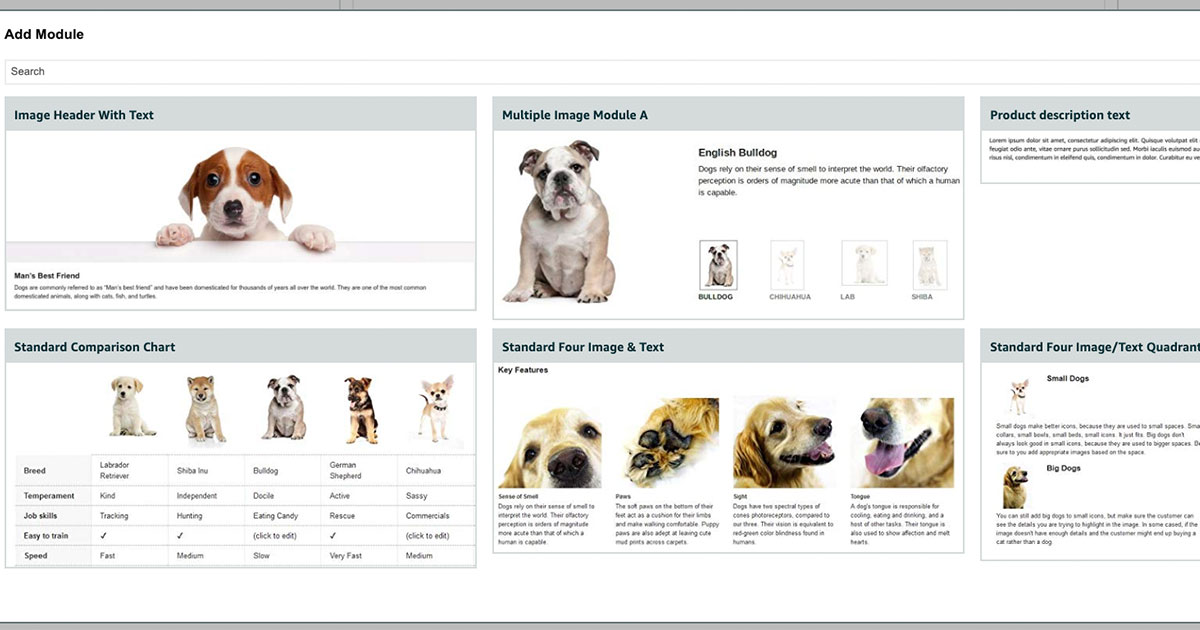
- Build out your brand storefront — a real, organized storefront gives browsers a place to explore beyond a single product and discover your range.
- Use lifestyle and in-use imagery — discovery surfaces reward content that shows the product living in someone's life, not a white-background catalog shot.
- Lean on whatever post or feed feature is current — if Amazon offers a content feed, feed it consistently rather than betting on its longevity; consistency is cheap insurance.
- Tie in your off-Amazon social — the audience you build elsewhere can be pointed at your listings, and that traffic behaves like discovery traffic.
- Group products into collections — help a browser who likes one thing find the three related things they didn't know you sold.
Don't over-invest in a feature that may not last
The practical caution: spend your effort on the durable surfaces, not the experimental ones. A well-built storefront and strong lifestyle content keep their value no matter which specific feed Amazon keeps or kills. A huge investment poured into one shiny feature evaporates if that feature gets sunset. Treat new social experiments as a low-cost bonus channel you participate in lightly, and put your real content energy into the assets — your storefront, your imagery, your brand — that survive whatever the platform does next.
Discovery traffic still has to convert and pay
A browse shopper you catch with great content still lands on a listing that has to close the sale and a product that has to make money. Discovery is the top of the funnel; your margin is the bottom. It's easy to get excited about a content channel driving clicks and forget to check whether the products it's promoting are the ones you actually profit on. Promote your healthy-margin products through discovery surfaces, not the ones running on fumes — getting found is only worth it if getting bought pays you.
Feature your most profitable products in your content, not just your prettiest.
See your product profitFrequently asked questions
Should I jump on every new Amazon social feature?
Participate lightly, but don't over-invest. New feeds and social experiments come and go, so treat them as a low-cost bonus channel rather than a place to pour serious effort. Put your real energy into durable assets — your storefront, lifestyle imagery, and brand — that keep their value regardless of which feature survives.
Is a brand storefront worth building if most sales come from search?
Yes. A storefront catches the browse shopper your listing can't, helps cross-sell your range, and gives any social or external traffic a proper destination. It's a durable asset that keeps working no matter how the platform's discovery features change, which makes it a safer investment than chasing any single feed.